
Travelling as a family can feel expensive. Flights, accommodations, food, activities… it adds up quickly.
And if you’ve ever found yourself wondering:
- How do families afford this?
- Is this realistic without points or travel hacking?
- Where do I even start?
You’re not alone.
We travel as a family of five, and we don’t rely on points, luxury budgets, or going into debt.
This is exactly how we make it work.
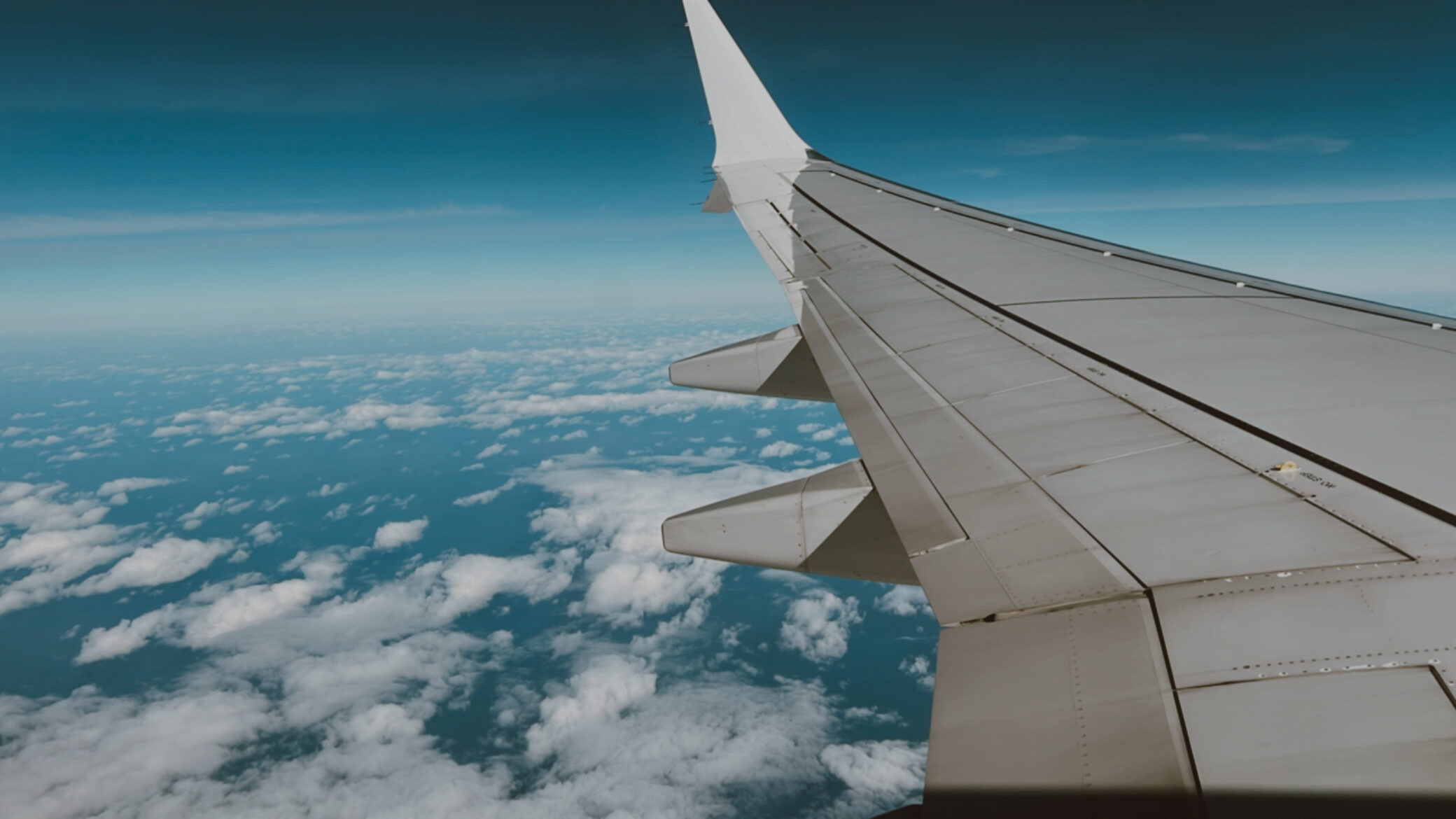
There’s nothing better than watching the plane take off knowing your trip is completely paid for. And saving for a trip can be an incredible lesson for your kids, too. It teaches delayed gratification, tough in the moment, but so worth it when you’re all on that adventure together.
Get them involved in the process! Maybe they sell old toys or sports gear to add to the travel fund, or agree to fewer takeout nights so you can save more for the trip. “Save first, then buy” is a lifelong skill and travel is the perfect way to show why it’s worth it.
This post will walk you through how to build a practical trip budget and use my Travel Budget Worksheet (a free Google Sheet you can download) to make it easy.
*This post may contain affiliate links, which means I may earn a small commission if you book through them, at no extra cost to you.


What This Looks Like in Real Life
Before we get into the steps, here’s a real example.
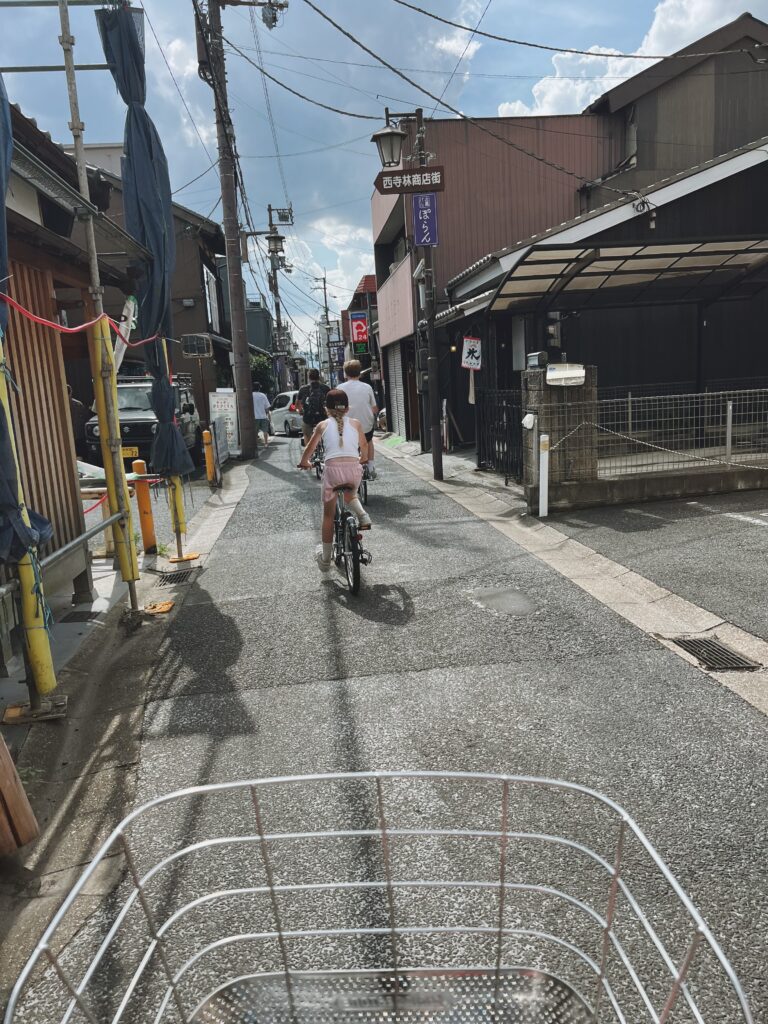
On our Japan trip:
- Food: about $23 CAD per person, per day
- Accommodation: around $50 CAD per person, per night
- Activities: usually under $50–$100 per person
👉 You can see exactly how we did that here:
Choose a Destination
Start with the fun part, picking where you’d love to go.
Maybe you already have a city or country in mind, or maybe you’re torn between a few ideas. Either way, choose one destination to start and begin researching the approximate cost of flights and accommodation.
I often choose where we’re going next based on flights alone. If I find a flight deal or if I know I can get us there affordably that’s where I pick. I try and always keep our flights to under $1000 each. Ideally, I’m looking for $500-$700 each.
If you’re flexible on destination try using Google Flights Explore. Instead of searching for a specific city, you can enter your departure airport and see a map of destinations around the world along with their approximate flight prices.
Sometimes this is how we end up choosing where we go next. If I see an affordable flight to somewhere interesting, that often becomes the destination for our next trip.
Once you’ve identified a few possible destinations, start doing a little research on the big expenses:
• flights
• accommodation
• transportation within the destination
You don’t need exact numbers yet. At this stage you’re just trying to get a rough sense of whether the trip might be affordable for your family.
If flights and accommodation look reasonable, then you can move on to the next step and start building a realistic travel budget.
Estimate the Major Costs of the Trip
Once you have a destination in mind, the next step is to estimate the major costs of the trip.
This is where the reality check comes in.
Before we book anything, I like to build a rough travel budget so we know what the trip might realistically cost. It doesn’t need to be exact, but having a ballpark estimate helps us decide whether the trip fits within our budget.
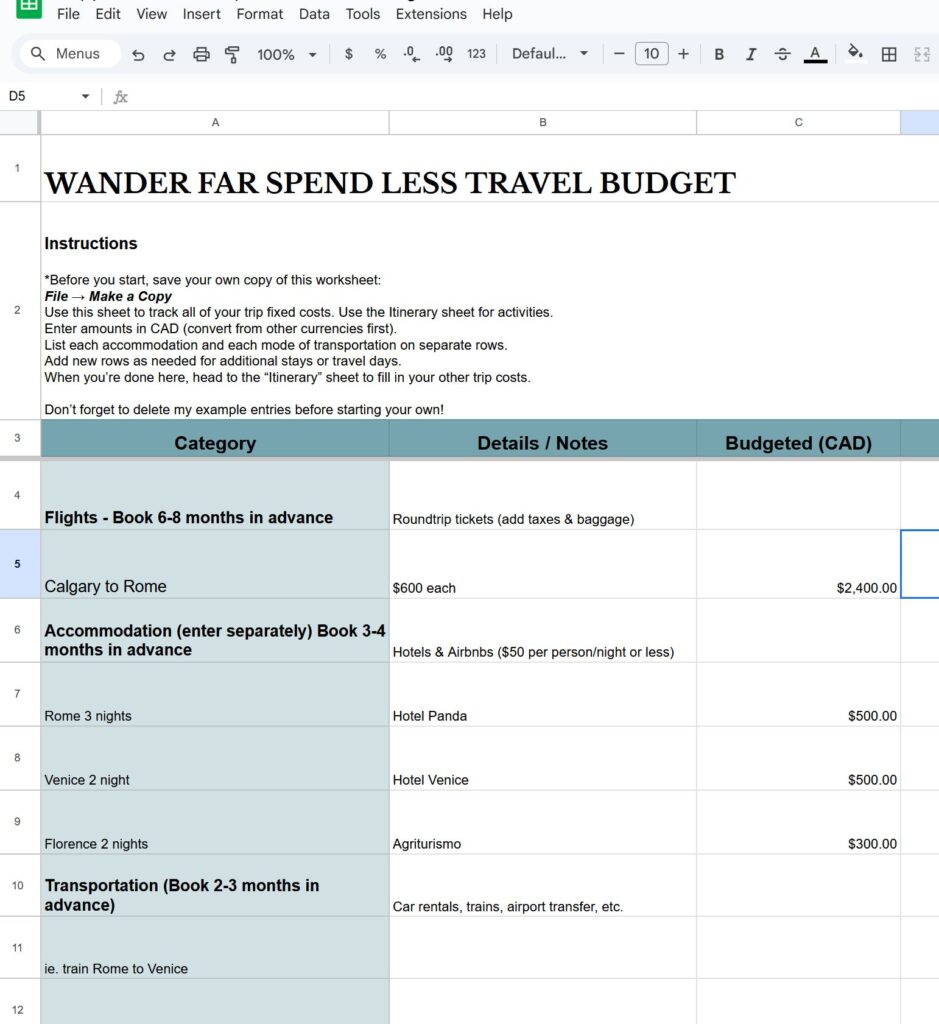
In my travel budget worksheet, I break the trip down into the main categories that usually make up most travel expenses.
These typically include:
Flights
Start by estimating the cost of flights for your family.
If you’re still early in the planning process, just use the current flight prices as a rough guide. Prices will change, but this gives you a realistic starting point.
For example, if flights are currently showing around $700 per person and you’re travelling with four people, you can estimate about $2,800 for flights.

Accommodation
Next, estimate the cost of where you’ll stay.
Look at the types of accommodations you’re likely to book and calculate an average nightly rate. Then multiply that by the number of nights you’re planning to stay.
For example:
$180 per night × 14 nights = $2,520
Accommodation is often one of the largest parts of the travel budget, so this number is important.


Transportation at Your Destination
Think about how you’ll get around once you arrive.
This might include:
• trains between cities
• public transportation
• car rentals
• airport transfers
For example, on our trip to Japan the intercity trains were a significant cost for our family, so we made sure to include that in the budget early.

When travelling we always use Airalo eSIMs for affordable, flexible coverage around the world – choose from 200+ locations.

Meals
Food costs vary widely depending on the destination, but it’s helpful to estimate a daily average.
For example:
$80–$150 per day for a family if you’re mixing restaurants, grocery store meals, and quick local food options.
Some days you may spend more, and other days less, but it helps give you a reasonable estimate.


Activities and Experiences
Finally, think about any activities you want to include.
This could be things like:
• museums
• guided tours
• theme parks
• bike rentals
• special experiences
Even estimating just a few key activities can help prevent surprises later.


Don’t Forget the Smaller Travel Costs
One thing I’ve learned over the years is that there are often a lot of smaller costs that can sneak into a travel budget.
That’s why the worksheet also includes categories for things people sometimes forget to include, such as:
• travel insurance
• airport parking
• visas
• international driver’s permits
• luggage fees
• travel data or eSIMs
• souvenirs or miscellaneous spending
Individually these may not seem like much, but together they can add up quickly.
Including them in your planning helps make sure your travel budget is realistic.
Pet care is one of those costs that can really add up when you travel. If you don’t have a trusted family member or friend to watch your pet when you’re away, try TrustedHousesitters. It’s the service we use to find a pet sitter for our dog Archie when we’re away. If you want to read more about our experience, click HERE.

Plan Out the Itinerary (and Budget Each Day)
The worksheet also includes a simple trip itinerary section where you can map out each day of your trip.
This helps you think through things like:
• which days you’ll need transportation
• when you might have larger activity costs
• how many nights you’ll stay in each location
It’s a helpful way to visualize the trip and make sure your budget reflects the actual plan, not just rough estimates.


The Reality Check
Once you’ve added up these categories, you’ll have a rough estimate of what the trip might cost.
Ask yourself:
Is this total affordable for us?
If not, you still have lots of options to adjust the plan.
You might:
• choose a different destination
• shorten the trip
• travel during a cheaper time of year
• stay outside the city centre
• choose more budget-friendly accommodation
This process helps you plan travel that fits your finances, not the other way around.
Download the Travel Budget Worksheet
If you’d like help doing this step yourself, I created a free Travel Budget Worksheet that walks through this entire process.
It includes:
✔ a trip cost calculator
✔ categories for common and often-forgotten expenses
✔ a day-by-day itinerary planner

My Favourite Tools for Planning Affordable Trips
These are the travel tools I personally use when planning our family trips.
✈️ Flights: Google Flights & Skyscanner
🏨 Hotels: Booking.com
📱 Travel Data: Airalo eSIM
📍 Activities: GetYourGuide
You can see my full list of recommended tools here:
Refine the Details
You’ve figured out where you’re going and have committed to the trip! Yay! This is the exciting part. Now you’ll start filling in the budget with every last cost you can think of. Don’t leave anything out. Estimate food costs, what you’ll spend on souvenirs, travel insurance, airport parking – it’s all part of travelling and you need to budget for it. Not sure what to budget for? My Trip Planning Guide walks you through everything you need to think of when booking a big trip.
I always build in a little buffer for the unexpected (because something always pops up).


Start Saving Now
You’ve got your budget now and it doesn’t have to be exact, but you have a number in mind. Maybe it’s $7,000, $10,000, or $15,000. Whatever it is, now’s the time to figure out where that money will come from.
Because when you step onto that plane, I want your trip to be completely paid for.
Let’s say your trip will cost $10,000 and you’re leaving in 10 months. Working backwards, that means you’ll need to save about $1,000 a month. So how do you make that happen?
Here are a few ideas:
Save an extra $400/month through intentional spending cuts.
Trim your grocery bill by $200/month with meal planning or discount stores.
Sell outgrown kids’ gear, unused furniture, or clothes you no longer wear.
Use “found money” – tax refunds, bonuses, or cash gifts – to boost your fund.
Pause a subscription or streaming service for a few months.
Use cash-back apps for groceries and gas to stretch your savings further.
Cut out the take-out coffee & restaurant meals
In our family, my husband and I use YNAB (You Need A Budget) to track our spending and savings goals. It’s honestly life-changing (I don’t say that lightly!) and having a separate Travel account keeps everything organized and motivating.


Track As You Go
Once your trip begins, it’s easy to switch into vacation mode and stop thinking about the budget altogether but even staying loosely aware of your spending can make a big difference.
You don’t have to log every single receipt. Instead, just take a few minutes each evening (or every few days) to glance at your spending. Look at your credit card app or jot down rough totals for meals, transport, and activities. This small habit helps you stay mindful of where your money is going and prevents that “how did we spend that much?” feeling once you’re home (which is the worst!).
If you’re under budget in one category, say you saved a bit on meals, you can use that extra room for something fun, like a special dessert or an unplanned activity. It’s about being flexible and intentional, not rigid.
You can also use your Travel Budget Worksheet to check in on your total and note what’s left in your overall trip budget. Even a quick review helps you feel in control.
Review and Learn From Each Trip
After each trip, take a few minutes to look over your totals.
Where did you overspend? Where did you save? And most importantly, what felt worth every penny? How to budget for family travel is something you get better at every time you do it!
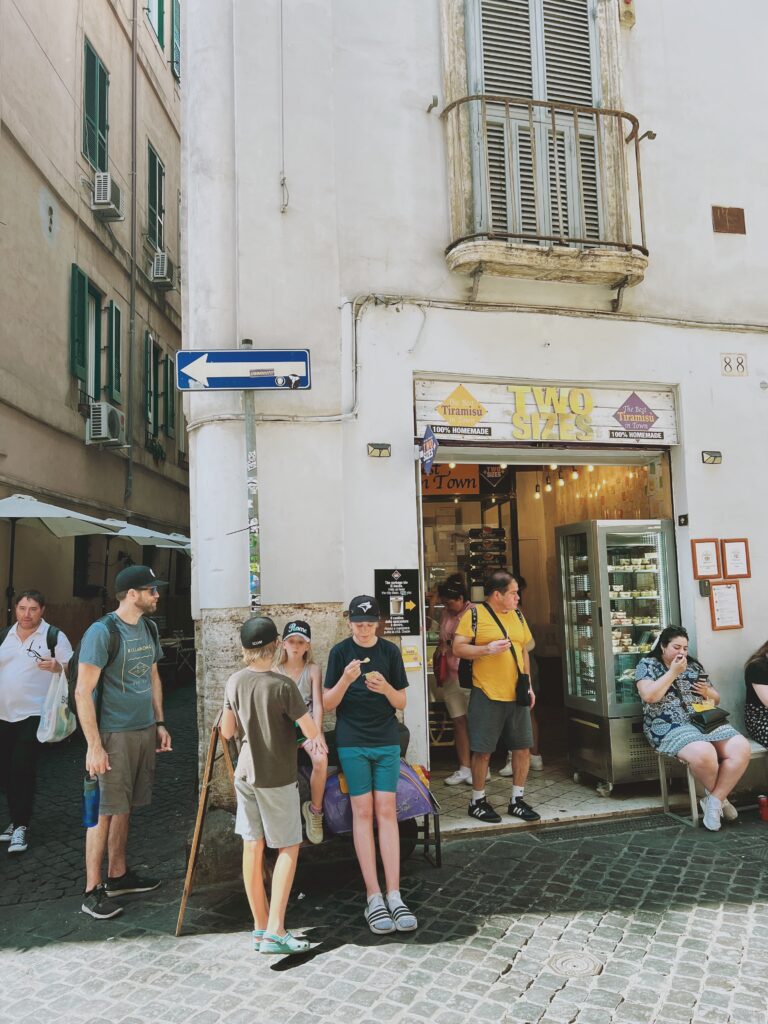
Every trip teaches you something new about how your family travels and helps you fine-tune your future budgets. Maybe you realized you’re happy with simpler hotels but can’t live without daily gelato breaks, that’s great to know for next time!
And if you came home on budget, with no travel debt, then you’re officially right on track to start planning the next trip!
Need more guidance on planning your trip? Read my post ‘A Beginner’s Guide to Family Travel on a Budget’.
One of our favourite things to do when we travel is get family photos! Use my link and get $25USD off your first Flytographer session!

Related Post You May Like:
- Where to Stay in Tokyo With Kids: Our Family of Five’s Favorite Apartment in Asakusa
- Bolzano With Kids: Easy Family Travel Tips for the Dolomites
- Wise vs Wealthsimple for Travel: Which Card Is Better for Canadians?
- Graz, Austria With Kids: The Coolest European City You’ve Never Heard Of
- How to Visit Banff on a Budget (Where I’d Stay Instead of Banff Hotels)
exploring:

Leave a comment