
Finding accommodations can be one of the most difficult parts of trip planning, especially when you’re traveling as a family.
Hundreds of listings. Endless scrolling. Prices all over the place. And the pressure to book something before it disappears.
Over the years, I’ve learned that the difference between overpaying and finding a great-value stay usually comes down to how you filter your search, not how long you scroll. Filters are my secret weapon for finding places that are comfortable, well-located, and affordable, without wasting hours or sacrificing sleep, space, or sanity.
Overwhelmed by accommodation searches? Here’s how I use filters to find the best places to stay for less, without sacrificing comfort or location.
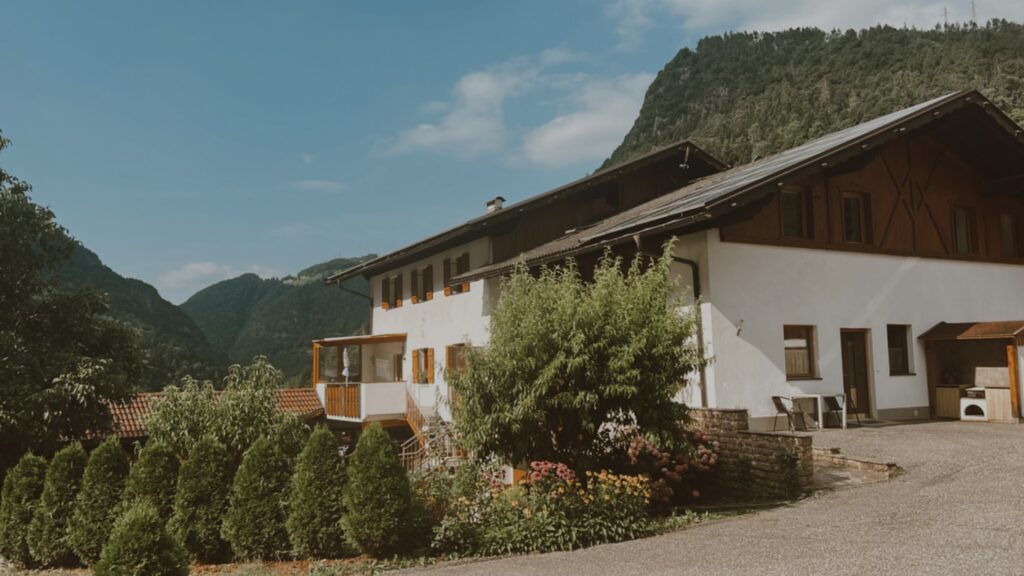
Start With a Clear List of Must-Haves
Before I even open a booking site, I make a short list of non-negotiables for that trip.
This step matters more than people think. It stops you from getting distracted by pretty photos or low prices that don’t actually work for your family.
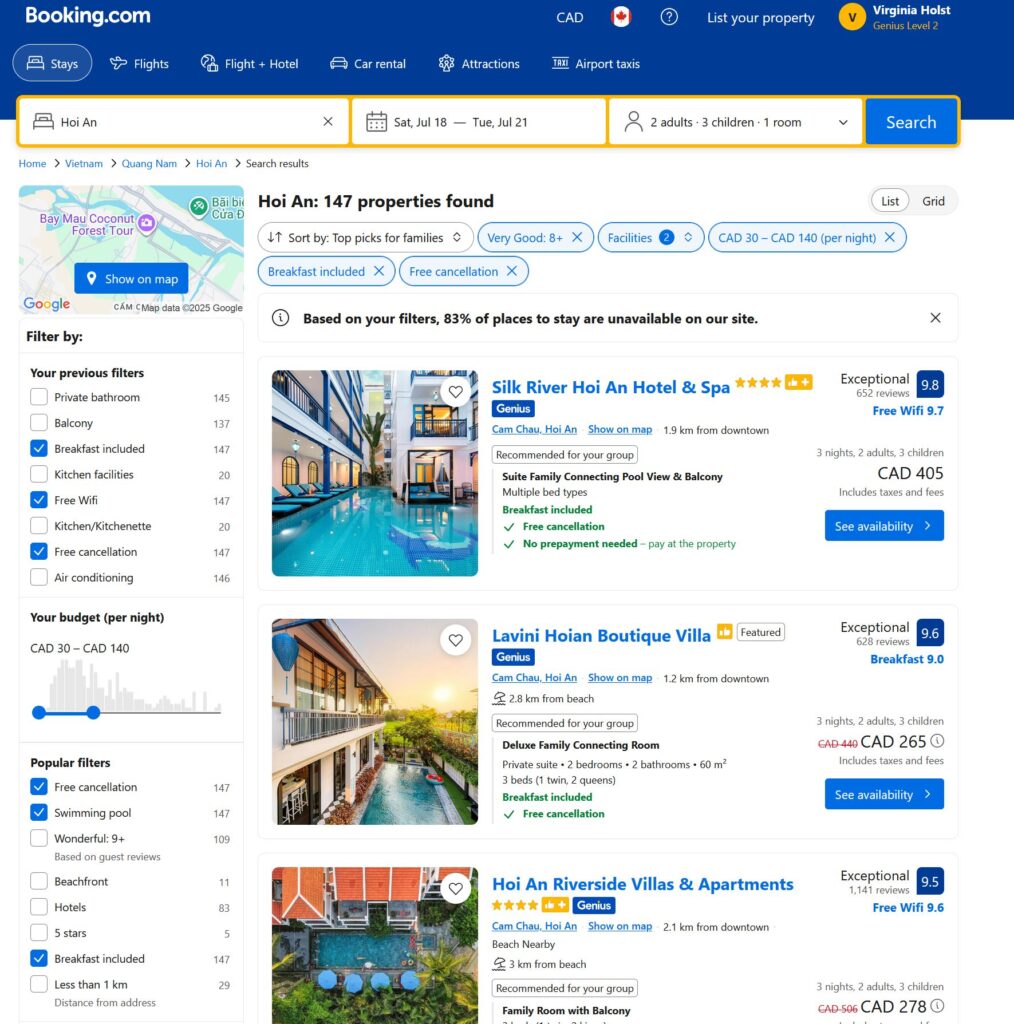
I almost always start with Booking.com. It’s where I most often find the best prices, and the more you use it, the better your discounts get over time. The very first filter I apply is price. There’s no point scrolling through places we can’t afford.
I usually start by filtering for my ideal nightly price, around $150–$200, to see what’s realistically available. If nothing works at that range, I’ll slowly increase it, but I always start where I’d like to land before adjusting.
Our common must-haves
Free cancellation
This is an absolute must for me. I often book accommodations fairly quickly after booking flights just to make sure we have a solid option locked in. As we get closer to the trip, I usually have more time to compare listings and sometimes find a better fit. Free cancellation gives me flexibility without pressure.
Guest rating of “Very Good (8+)”
On Booking.com, I always filter for Very Good (8+). I never book anything below that.
I also pay close attention to the number of reviews. I won’t book a place with only a handful of reviews. It’s too risky in my opinion. I look for a minimum of 15–20 reviews, and ideally 50+ whenever possible.
Enough beds for everyone
Not just “sleeps five.” I look closely at the actual bed setup. I try to avoid sofa beds if we can, at least at the beginning of my search. I’m filtering for my ideal accommodation first and reminding myself I can be flexible later if needed.
Private bathroom
Non-negotiable. Always.
Walkable location or close to transit
I use the map view on Booking.com to check the location, then open the same spot in Google Maps to see what’s nearby, like grocery stores and restaurants. I’ll also use Street View to get a feel for the street itself.
Kitchen, or at least a fridge
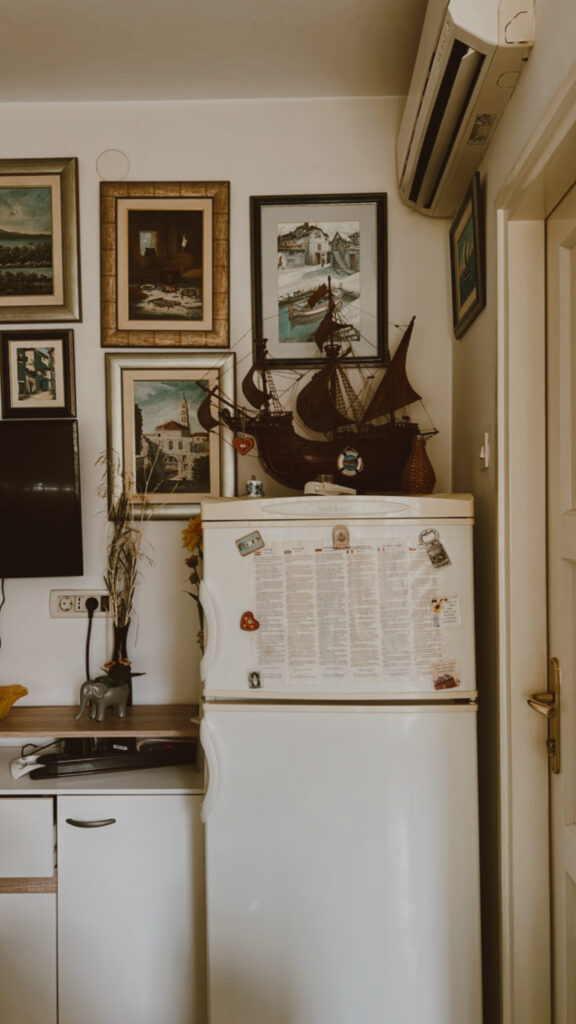
This depends on the destination. In most of Europe, a kitchen is a must for us because we can’t afford to eat out every day. In less expensive countries, I’m often okay with just a fridge for breakfasts and simple meals.
Balcony or outdoor space (when available)
This isn’t an absolute must, but it’s something I almost always filter for if it’s available. Having even a small balcony or outdoor space makes a big difference for us, especially after long sightseeing days. It’s a simple way to get fresh air and a breather without leaving the accommodation.
Washing machine (for longer stays)
If we’re staying somewhere for three nights or more, I’ll often filter for a washing machine. I wouldn’t worry about this for a one-night stay, but it makes a big difference on longer trips.
Breakfast (sometimes)
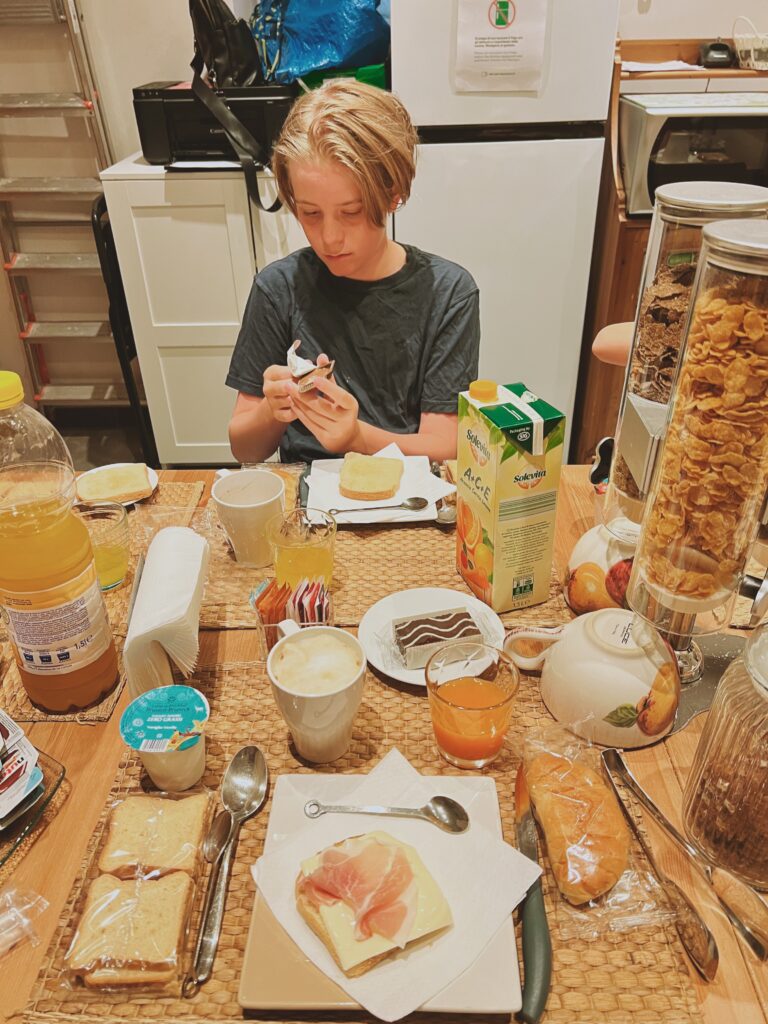
This one depends on location. If we’re arriving in a new country, having breakfast included can be really convenient for the first day or two. It’s not a must, but it’s something I’ll filter for when it makes sense.
Parking (if we’re renting a car)
If we’re planning to drive, I make sure parking is included or clearly explained.
Air conditioning in hot destinations
This is one I always double-check in the reviews. In North America, we’re used to central air, but in many other countries, air conditioning is often a single unit in the living area and not the bedrooms. We’re okay with that, but I want to know ahead of time so there are no surprises.
Knowing all of this upfront makes filtering faster, more intentional, and a lot less overwhelming.
Filter for Budget and Value (Not Just the Lowest Price)
One of the biggest mistakes I see people make when booking accommodations is sorting by lowest price first and stopping there.
Cheap doesn’t always mean good value.
At this stage, I’ve already filtered out places that don’t meet our must-haves. Now I’m looking more carefully at which options actually make sense for our trip and our budget as a whole.
Instead of asking, “What’s the cheapest place we could stay?” I’m asking, “Which option gives us the most value for what we need?”
I look for places that include things we’d otherwise pay for separately, like:
- breakfast
- parking
- a kitchen or fridge
- laundry access
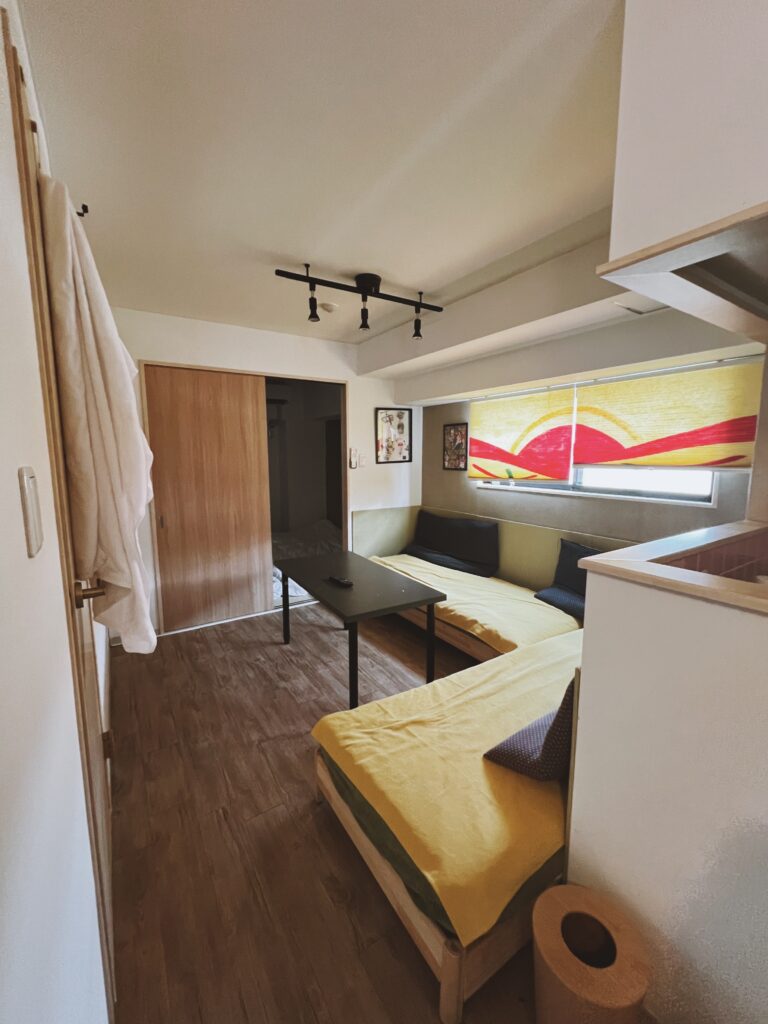
A slightly higher nightly rate can often save money overall if it means fewer meals out, better sleep, or a more convenient location that reduces transportation costs.
This is especially important when traveling as a family. Comfort, space, and location matter, and they directly affect how much we end up spending once we arrive.
I don’t book based on nightly price alone. I think in terms of total trip cost, and how each accommodation choice supports the rest of our plans.
Save and Compare Shortlisted Options Before Booking
Once I’ve narrowed things down using filters, I don’t book right away.
Instead, I save or favourite the listings that feel like a good fit and organize them by location. This gives me a short list of solid options without the pressure to decide immediately.
Saving places lets me step away and come back later with fresh eyes. When I look at a handful of options side by side, it’s much easier to see which ones truly offer the best combination of space, location, comfort, and value for that part of the trip.
This step also helps prevent impulse bookings. When you’re scrolling endlessly, everything starts to blur together. Having a saved list keeps the decision focused and intentional.
I’ll often save a few options per city, then revisit them once I’ve looked at prices, reviews, and logistics. More often than not, one or two places clearly stand out once everything is compared in context.
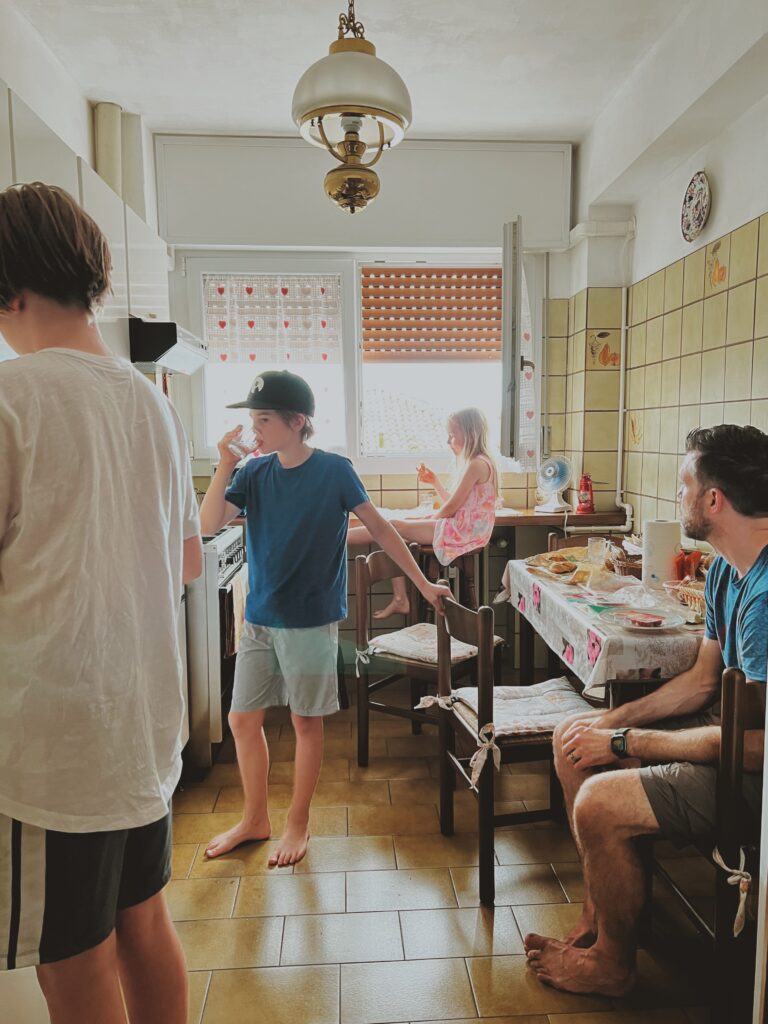
Double-Check Prices Across Booking Sites Before You Book
Once I’ve narrowed things down to a few strong options, this is where I pause before booking.
At this point, I usually have a short list of saved places that meet our must-haves and feel like good value for that part of the trip. Before I commit, I’ll take a few minutes to check whether the same accommodation is listed on other booking platforms for a better price.
I don’t restart the search from scratch. I’m only cross-checking listings I’ve already vetted.
Sometimes the price is exactly the same. Other times, one site might offer a lower rate, better cancellation terms, or a small perk like breakfast included. Occasionally, booking directly with the property can also be worth checking.
This step doesn’t take long, but you might be get lucky and save something, especially on longer stays or multi-city trips.
If the price difference is minor, I’ll often still book where I feel most comfortable or where the cancellation policy is clearest. If the difference is significant, I’ll happily switch platforms.
The goal here isn’t to chase the absolute lowest price. It’s to make sure I’m not overpaying for a place I’ve already decided is a good fit.

Read Reviews Strategically
I don’t read every review. I read them with a purpose.
At this point, I’ve already narrowed things down to a few strong options. Reviews are where I’m looking for confirmation, not reasons to start the search over.
Here’s how I approach them:
- I sort reviews by most recent
- I skim for repeated mentions of the same issue
- I look specifically for comments about:
- noise
- cleanliness
- location accuracy
- bed comfort
- noise
One bad review doesn’t scare me. Five people mentioning noise or poor cleaning does.
I also use the search function within reviews and look for words like “family” or “kids.” This helps me see what other families experienced and whether the location, layout, or surroundings actually worked well for traveling with children.
Finally, I pay attention to how hosts respond to negative reviews. A thoughtful, respectful response usually tells me the host is engaged and fixes issues, which matters more to me than a perfect rating.
Reviews aren’t about finding perfection. They’re about spotting patterns and making sure there are no surprises.

Using filters well can be the difference between a great stay and a not great stay.
Instead of endlessly scrolling or second-guessing, I’m able to narrow options quickly, compare thoughtfully, and book places that actually work for our family and our budget. We’re not chasing the cheapest option. We’re choosing places that balance comfort, location, and value.
The more you travel, the easier this gets. Over time, you start to learn what really matters for your family and what doesn’t. Certain filters become non-negotiable, others become nice-to-haves, and your decision-making gets faster and more confident with each trip.
This approach has helped us consistently find the best places to stay for less with accommodations we’re happy with, without overspending or feeling rushed. It’s one of the small planning habits that adds up and makes frequent travel possible for our family.
Related Posts You’ll Love:
The Family Laundry Guide: How to Pack Less & Stay Fresh on the Road
Packing 101: The Ultimate Carry-On Only Packing List for Families
Where to Stay in Japan With Kids: 6 Places We Loved (and What We Paid)
exploring:

Leave a comment